Road signs
The signs that come up most, grouped by type. Shape and colour often give the meaning away: triangles warn, red rings prohibit, blue circles command.
Official road signs (images: Swedish Transport Agency). The full list is in the Road Signs Ordinance (2007:90).
Warning signs
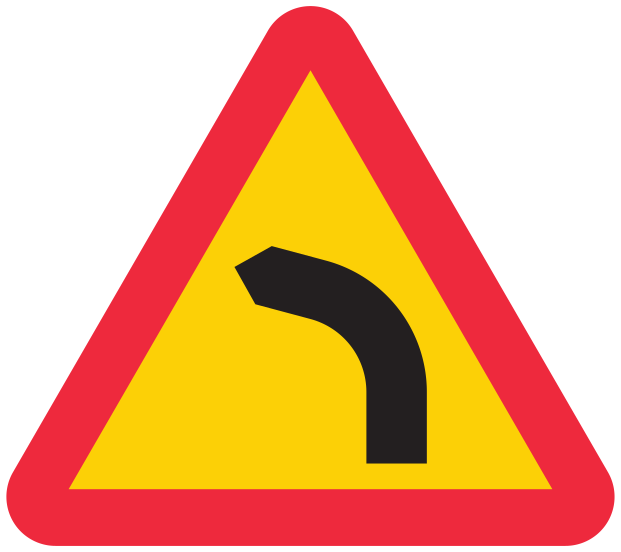
Dangerous bend to the right
Dangerous bend to the right. Slow down before it.
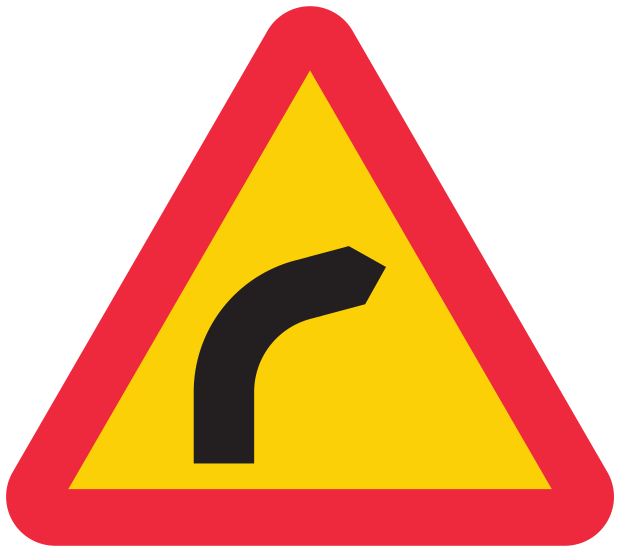
Dangerous bend to the left
Dangerous bend to the left. Slow down before it.
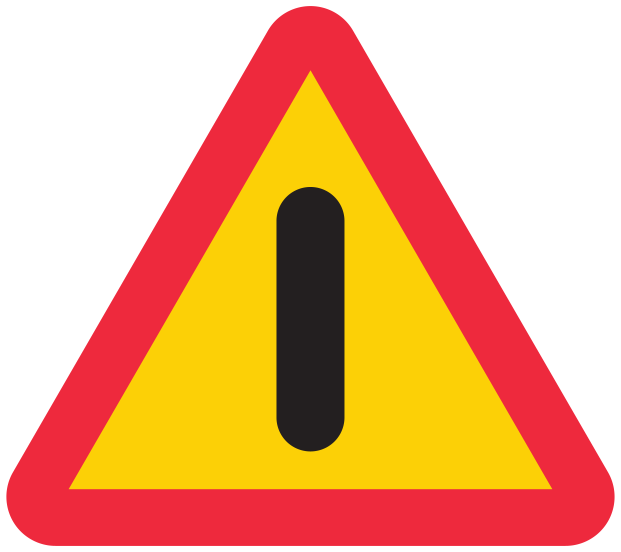
Other danger
A hazard without its own sign; a plate below often says which.
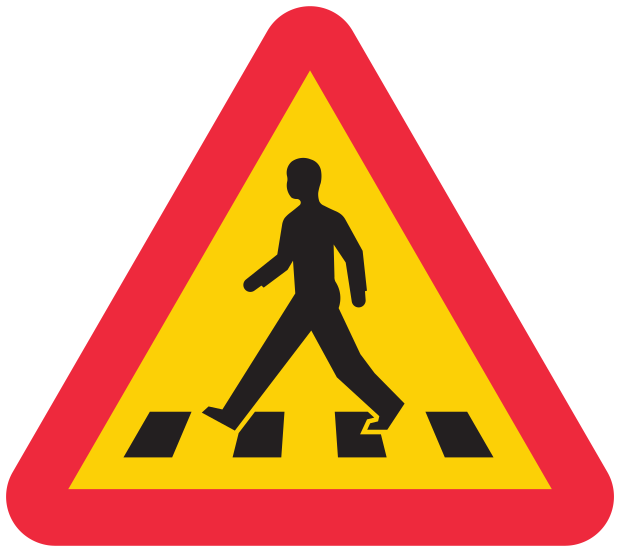
Pedestrian crossing ahead
The crossing may be hidden. Be ready for pedestrians.
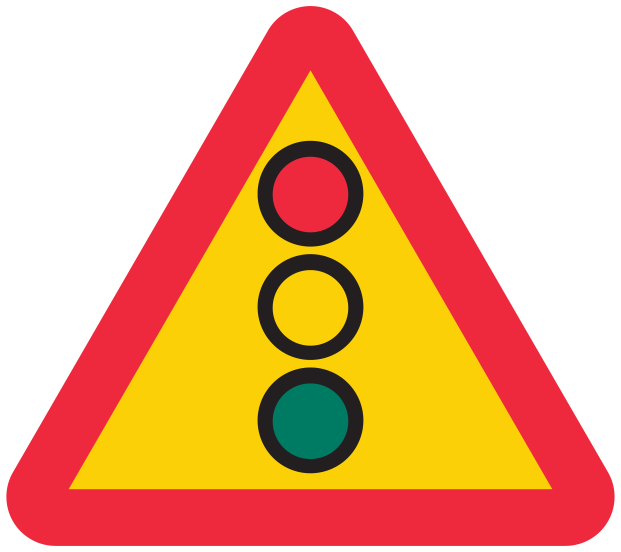
Traffic signals ahead
Traffic lights ahead that may be hard to see in time.
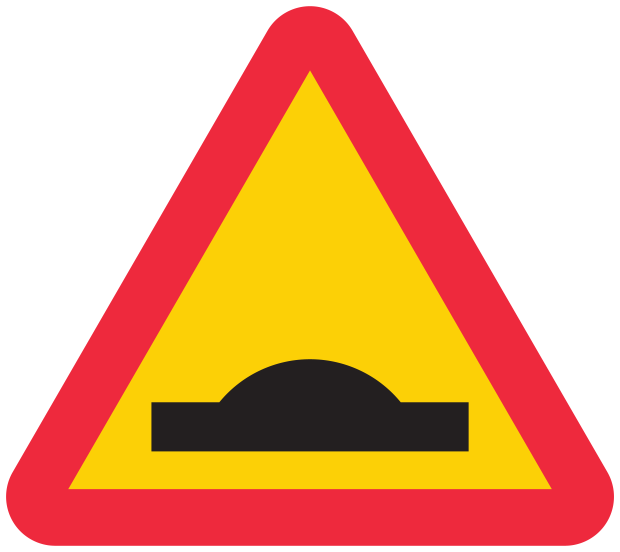
Speed bump
Speed bump ahead. Slow down.
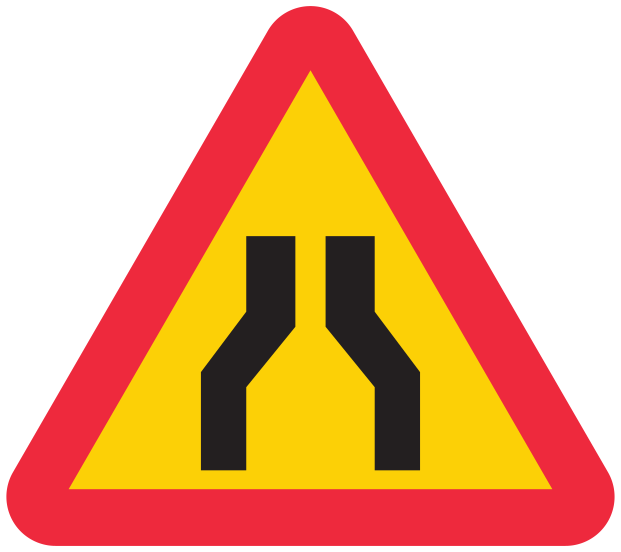
Road narrows
The road gets narrower ahead.
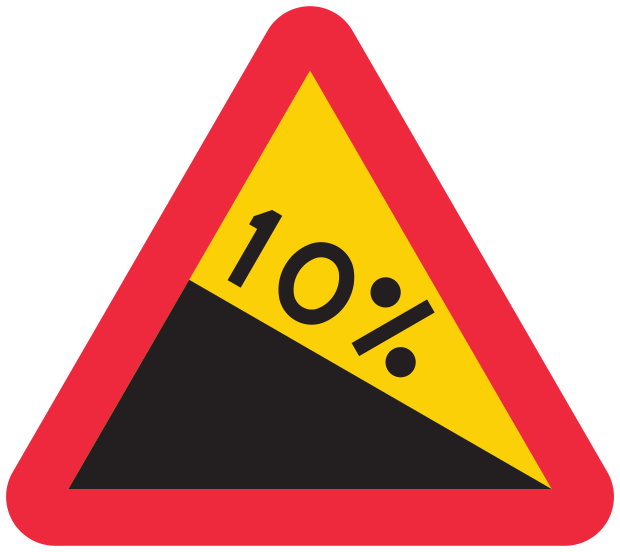
Steep descent
Steep downhill. Use engine braking and a low gear.
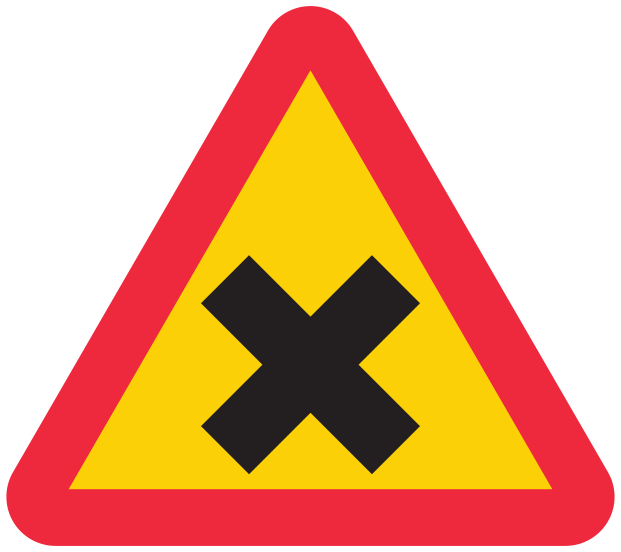
Crossroads ahead
Junction ahead. Unless signed otherwise, the right-hand rule applies.
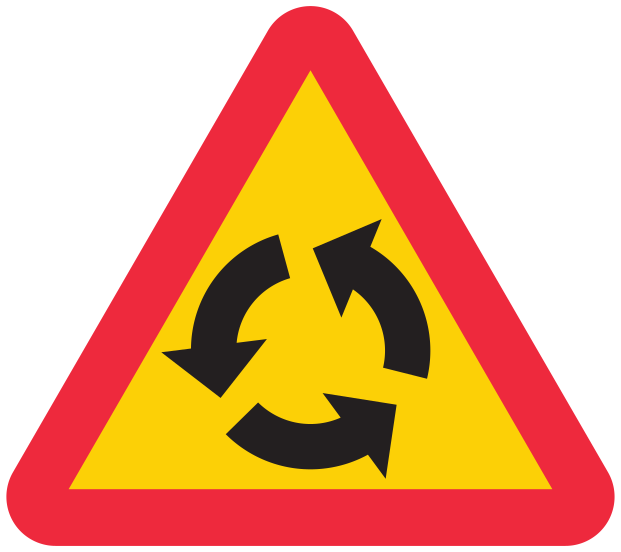
Roundabout ahead
Roundabout ahead.
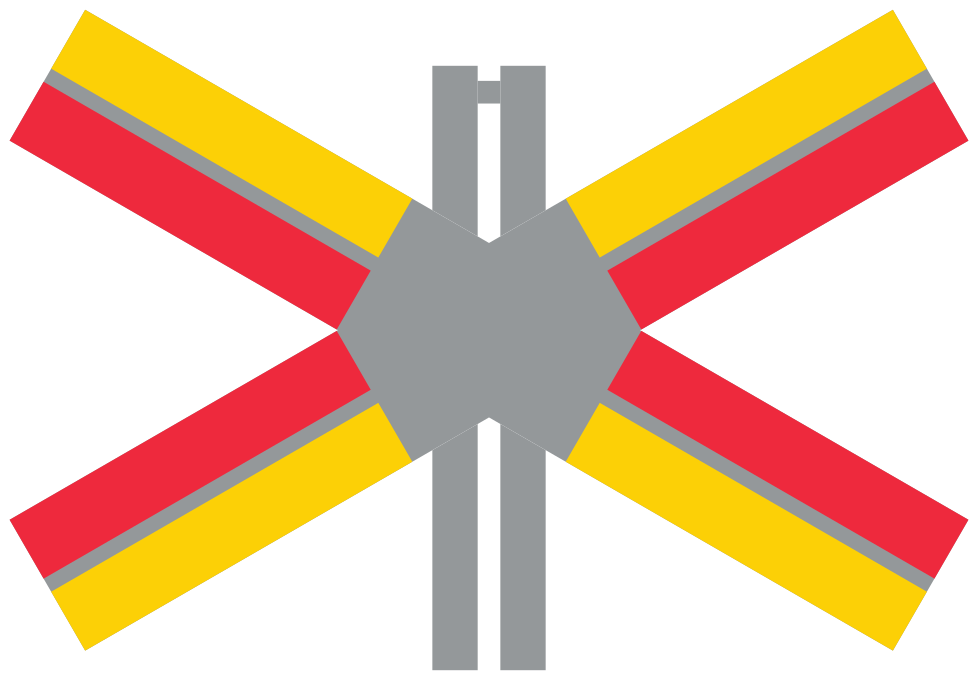
Railway crossing (St Andrew's cross)
Placed at the level crossing. You must give way to trains.
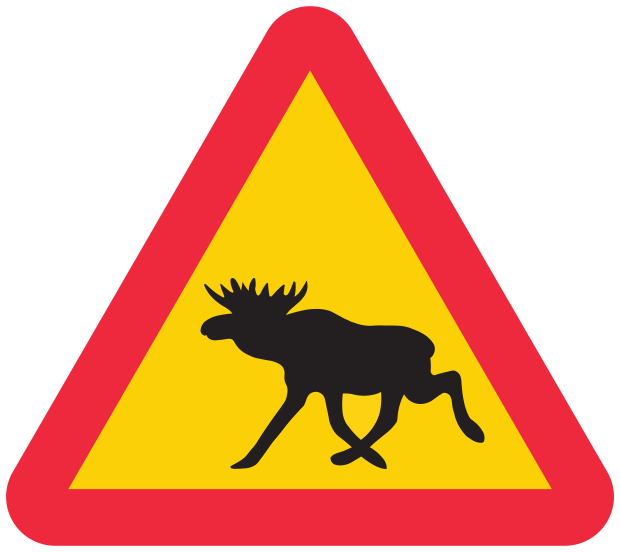
Animals (elk)
Elk may be on the road, especially at dawn and dusk. Slow down and scan the verges.
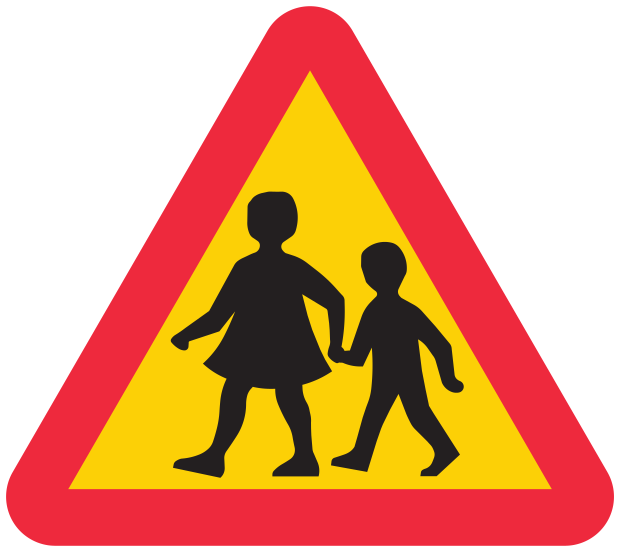
Children
Children may be near the road, e.g. by a school or playground. Be ready for a child to run out.
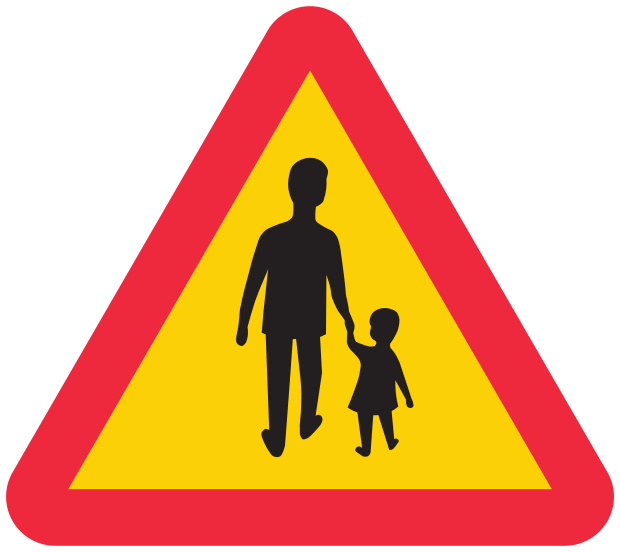
Pedestrians
There may be pedestrians on or beside the road.
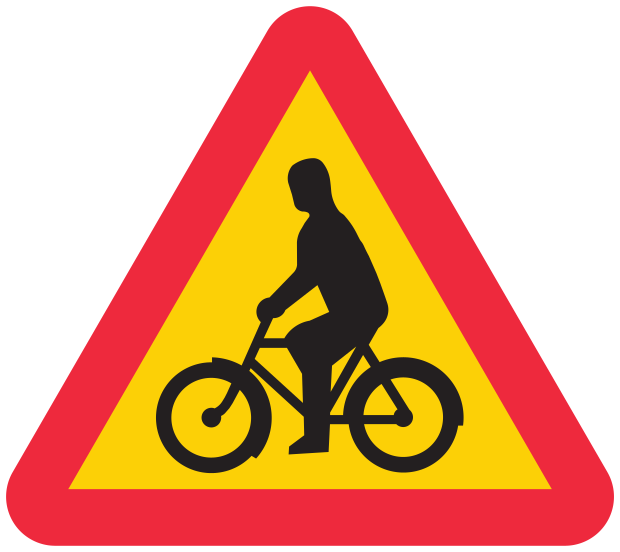
Cyclists and moped riders
Cyclists and moped riders may cross or join the road, e.g. from a cycle track.
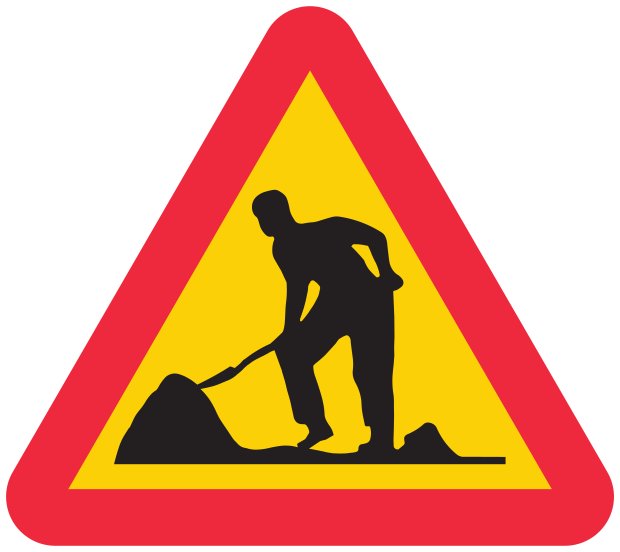
Roadworks
Roadworks ahead. Expect workers, machines, a changed carriageway and a lower speed limit.
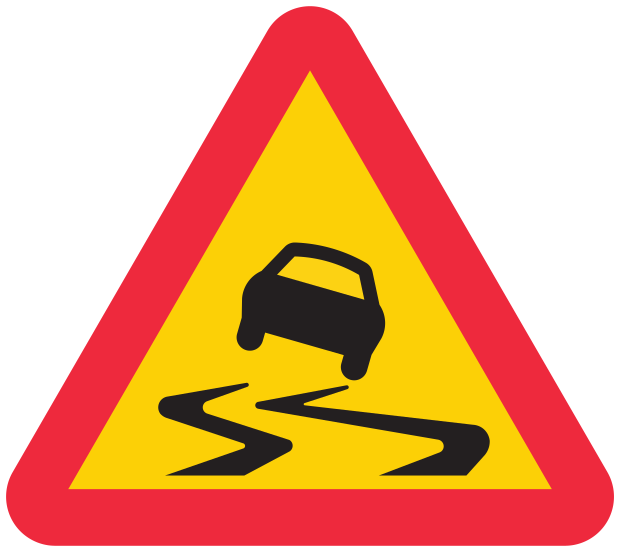
Slippery road
The surface may be slippery, e.g. from water, mud or leaves. Slow down and avoid harsh braking.
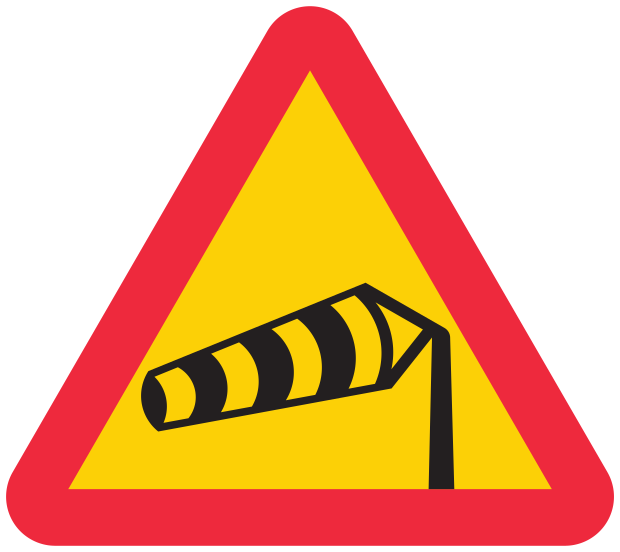
Side winds
Strong gusts from the side may occur, e.g. on bridges and open stretches. Tall, light vehicles are hit hardest.
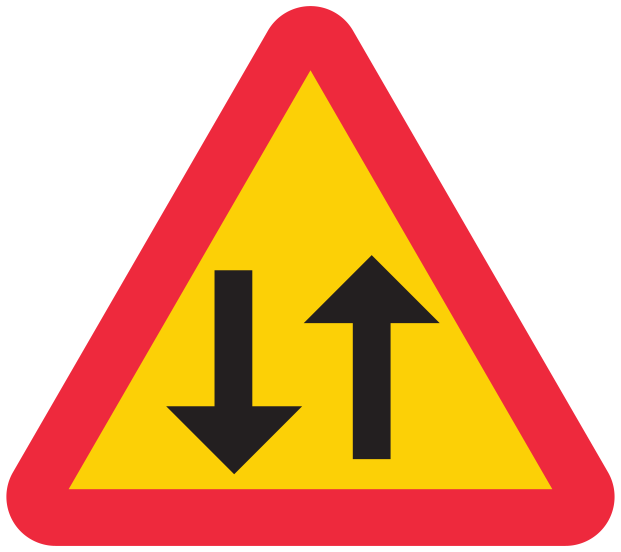
Two-way traffic
A one-way carriageway becomes two-way.
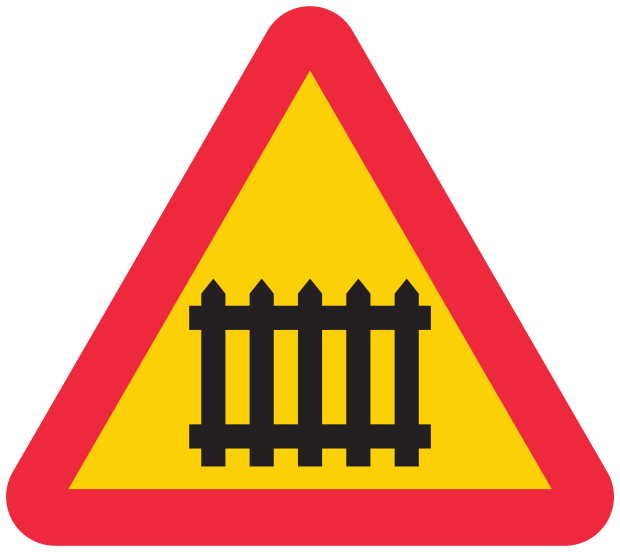
Level crossing with barriers
Railway crossing with barriers ahead. Stop when the barriers come down or the red lights flash.
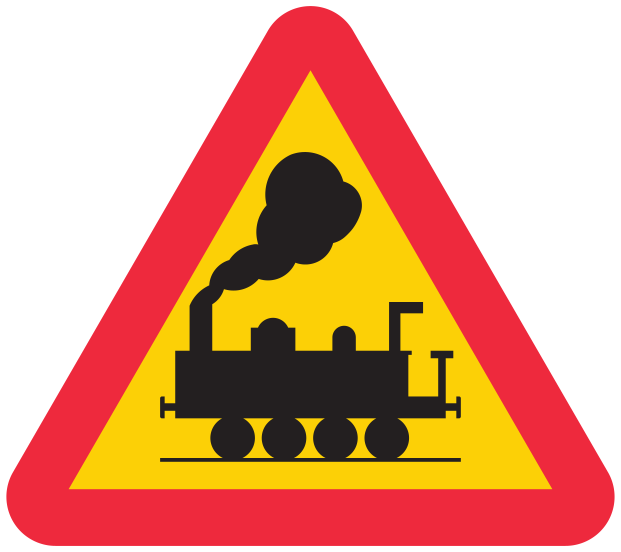
Level crossing without barriers
Railway crossing without barriers ahead. Slow down, look and listen for trains both ways.
Priority signs
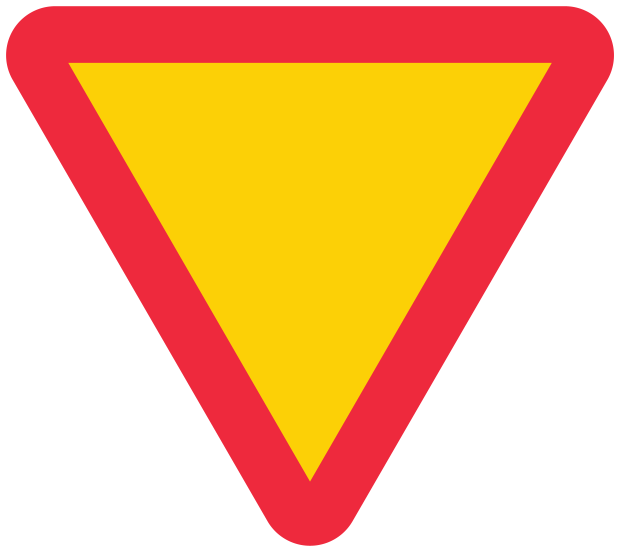
Give way
Give way to traffic on the crossing road. Stop if necessary.
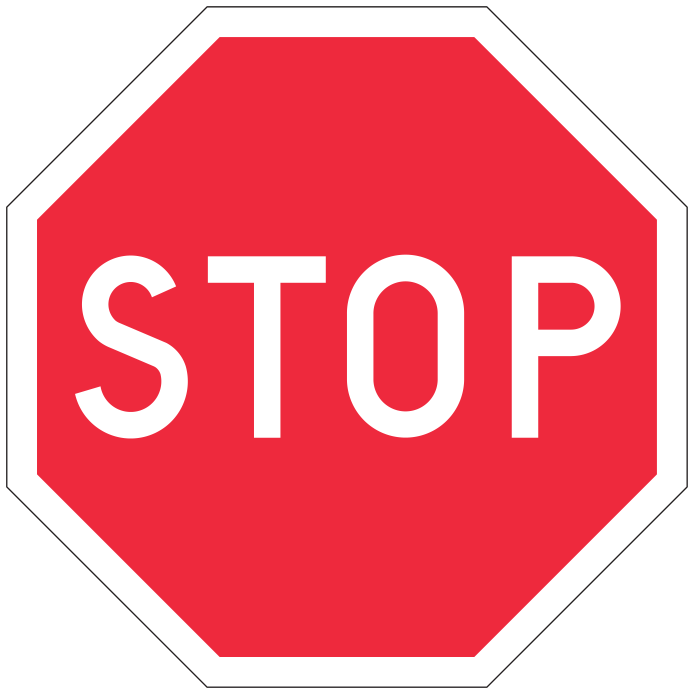
Stop
Come to a full stop at the stop line, or where you can see the crossing road, then give way.
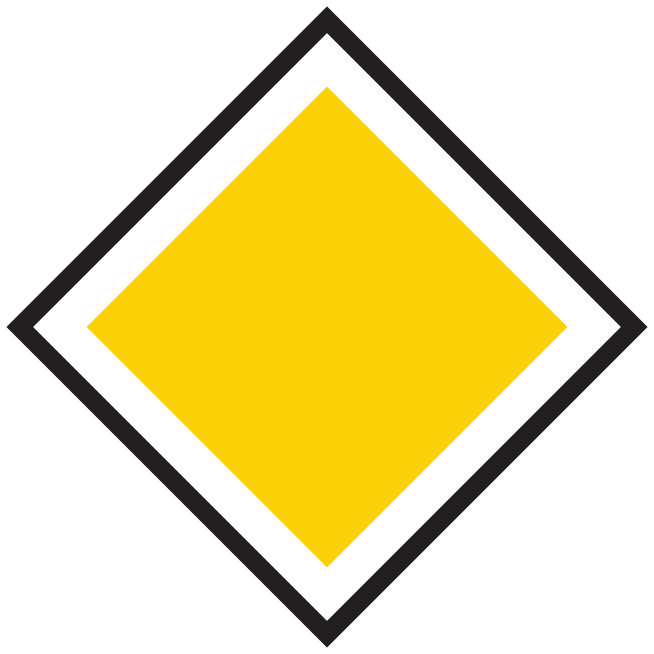
Priority road
Traffic joining from side roads must give way to you along this road.
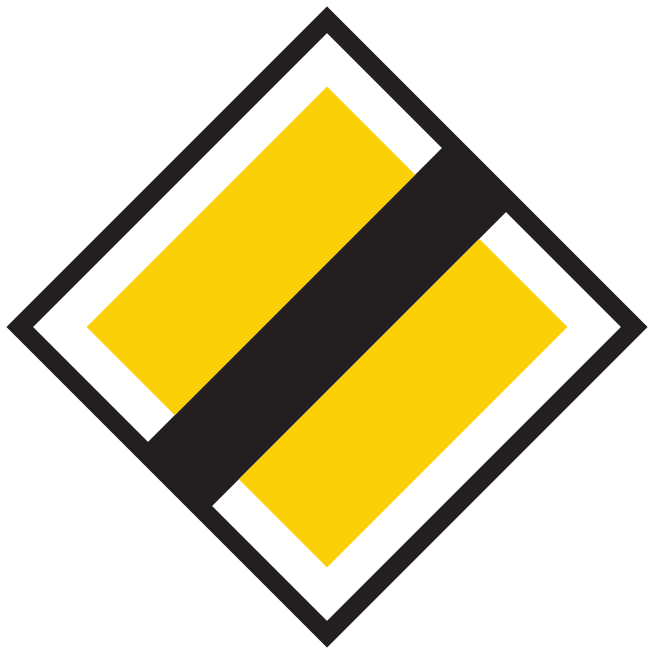
End of priority road
The priority road ends. Normal priority rules apply again.
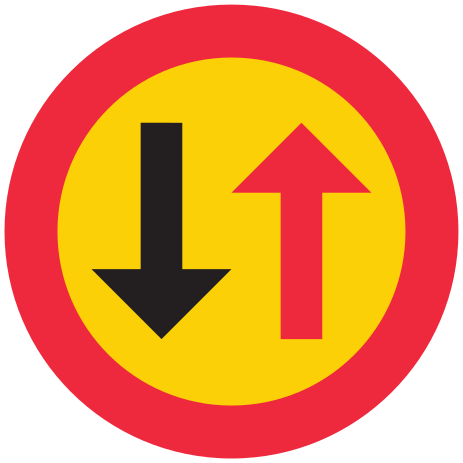
Give way to oncoming traffic
On the narrow section you must give way to oncoming vehicles.
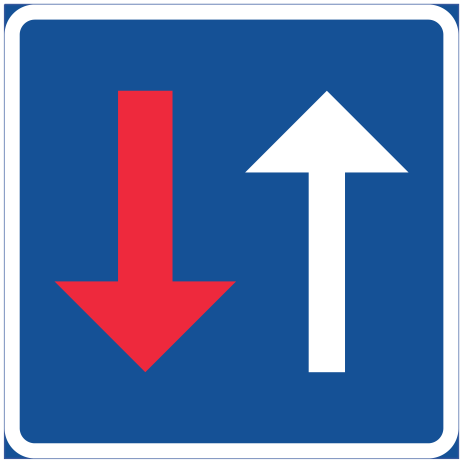
Priority over oncoming traffic
Oncoming vehicles must give way to you on the narrow section.
Prohibitory signs
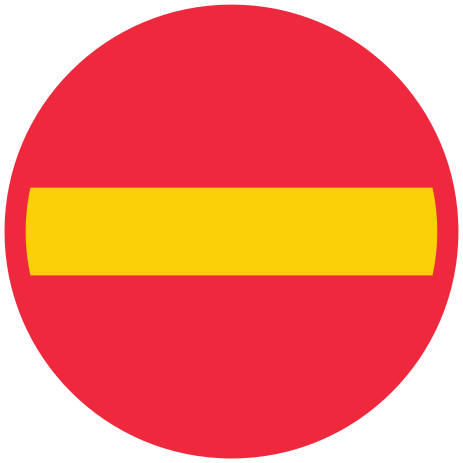
No entry for vehicles
You may not drive in here, e.g. against a one-way street.

No vehicles
No vehicles of any kind, in either direction.
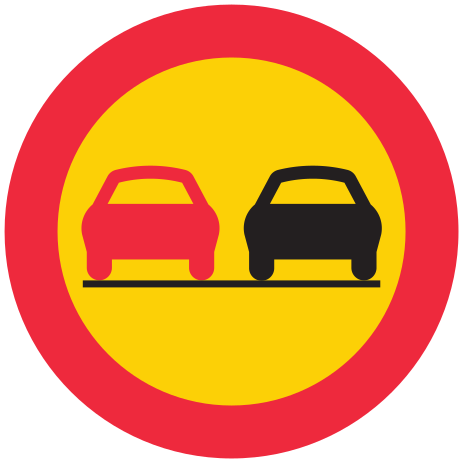
No overtaking
You may not overtake motor vehicles with more than two wheels.
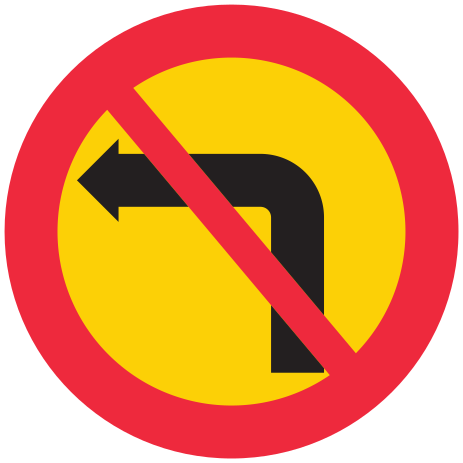
No left turn
No left turn at the junction.
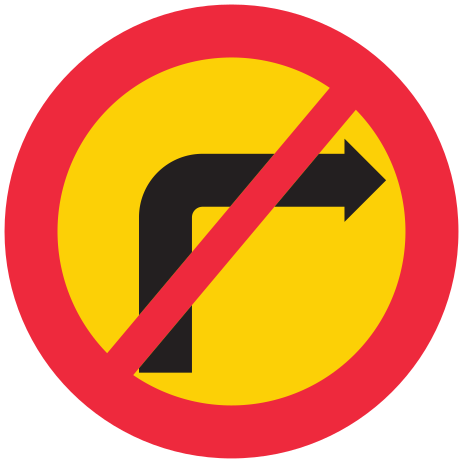
No right turn
No right turn at the junction.
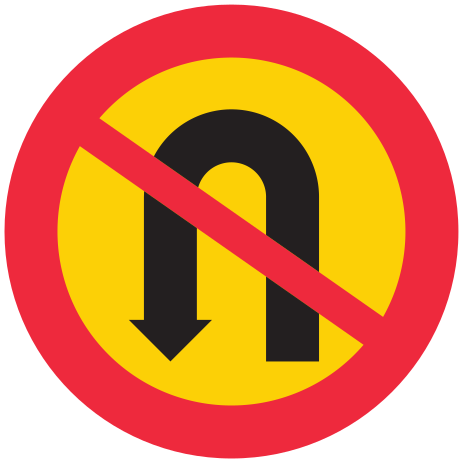
No U-turn
U-turns are not allowed here.
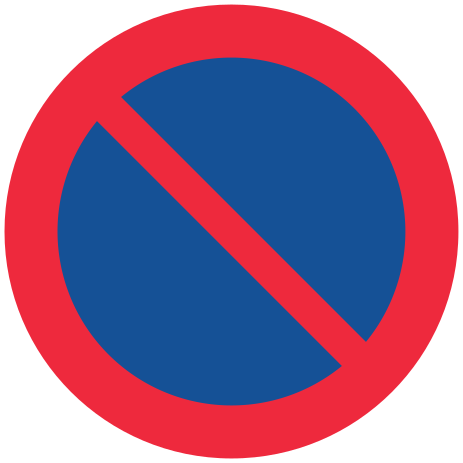
No parking
You may stop to drop off or load, but not park.
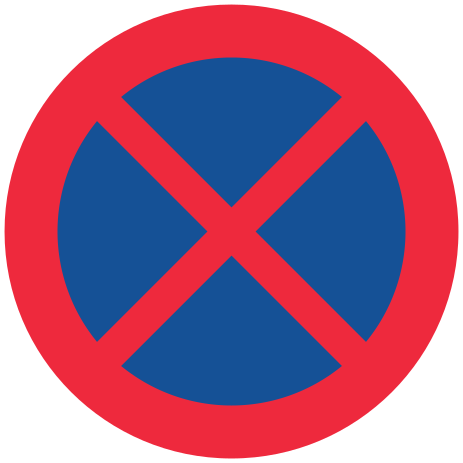
No stopping or parking
No stopping or parking, except to avoid danger.
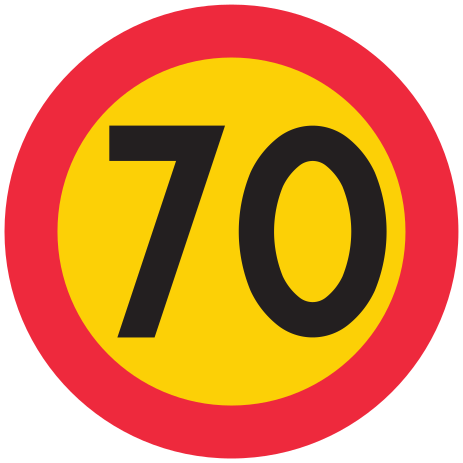
Speed limit
Maximum permitted speed in km/h.
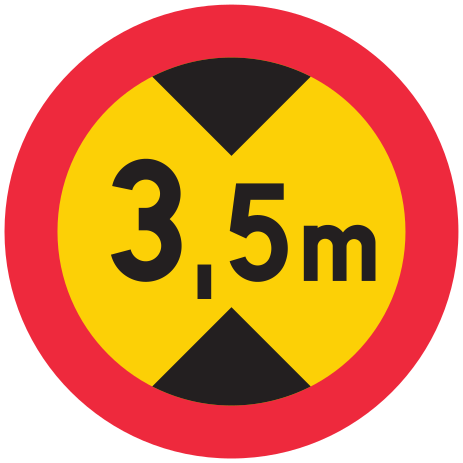
Height limit
Vehicles including load may not be taller than shown.
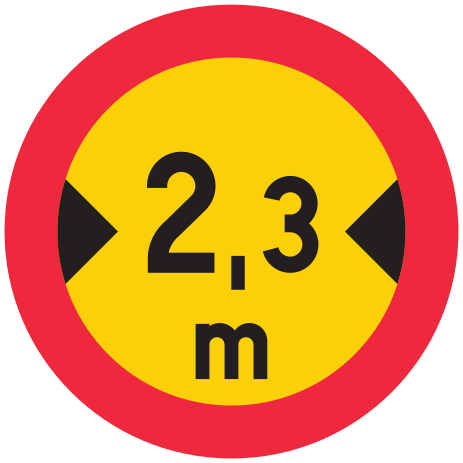
Width limit
Vehicles including load may not be wider than shown.
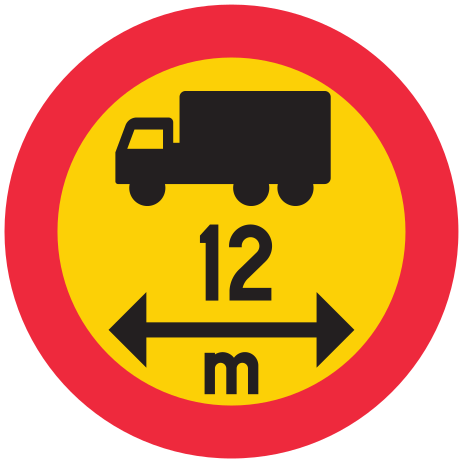
Length limit
Vehicles or combinations may not be longer than shown.
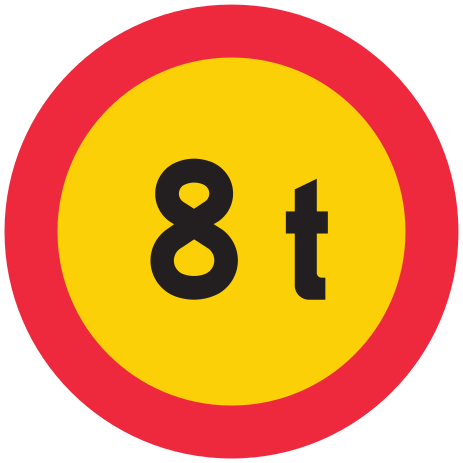
Gross weight limit
Vehicles heavier than shown may not use the road.
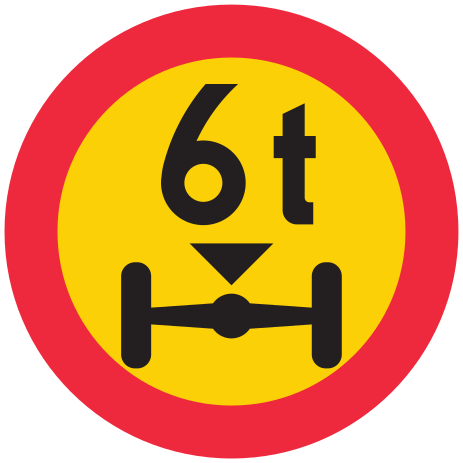
Axle load limit
No axle may carry more than shown.
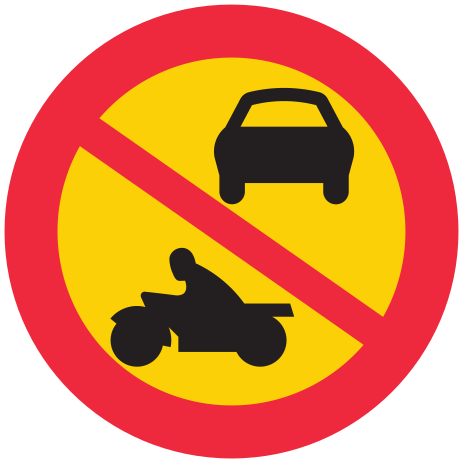
No motor vehicles except class II mopeds
No motor vehicles except class II mopeds; a plate shows if class II mopeds are banned too. Bicycles are allowed.
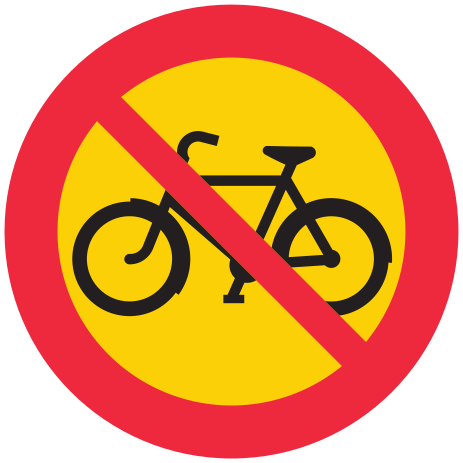
No cycles or class II mopeds
No bicycles or class II mopeds. A plate shows if class I mopeds are banned too.
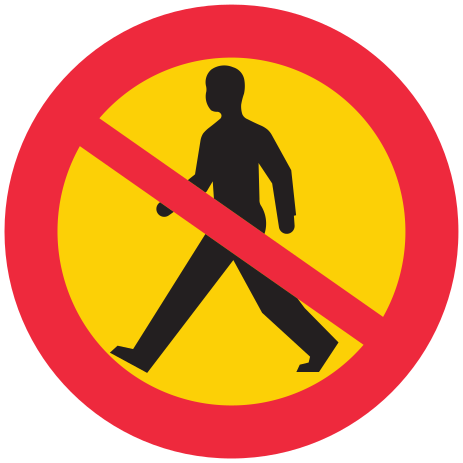
No pedestrians
Pedestrians may not use the road.
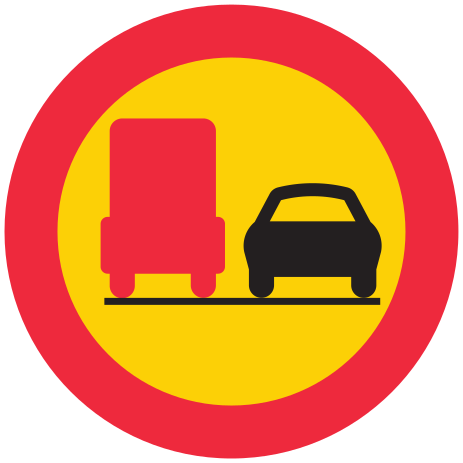
No overtaking by heavy goods vehicles
Heavy lorries may not overtake motor vehicles other than two-wheeled mopeds and solo motorcycles.
Mandatory signs
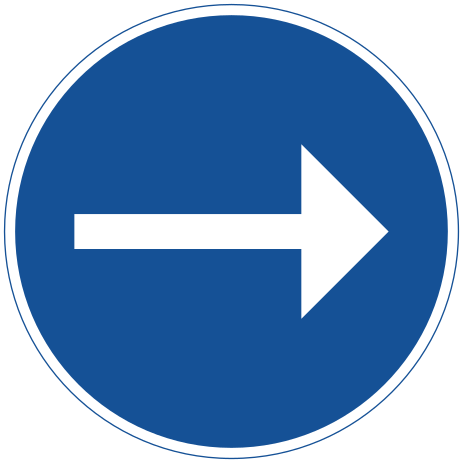
Turn right
You must turn right.
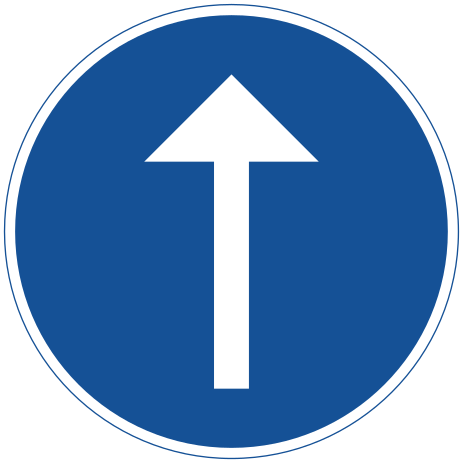
Ahead only
You must go straight ahead.
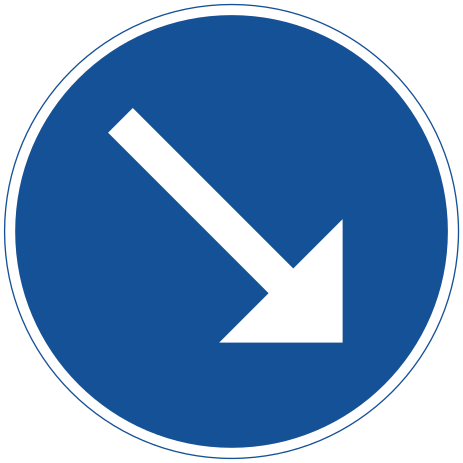
Keep right
Pass the obstacle, e.g. a traffic island, on the right.
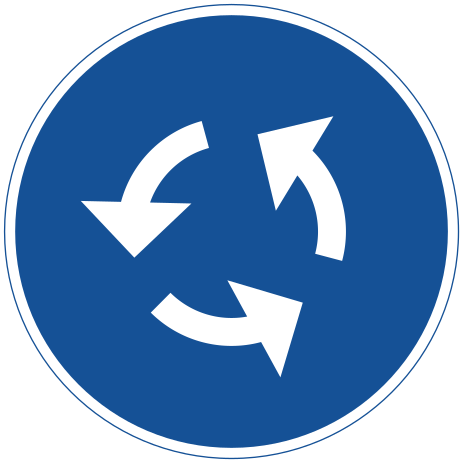
Roundabout
Mandatory direction in the roundabout: anticlockwise.
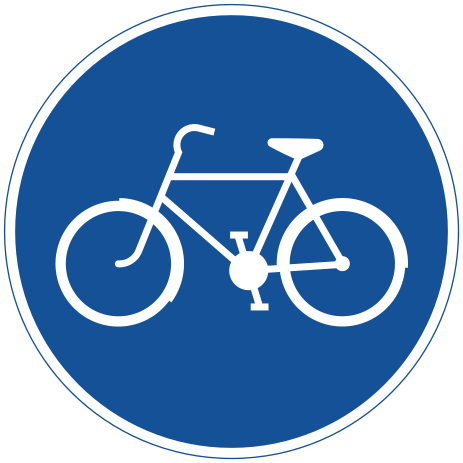
Cycle track
Cycle track that cyclists and two-wheeled class II moped riders must use.
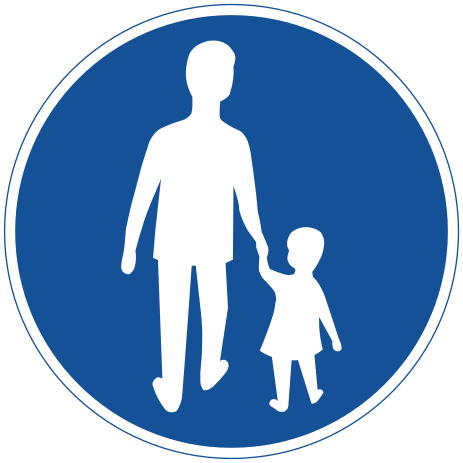
Footpath
Footpath that pedestrians must use.
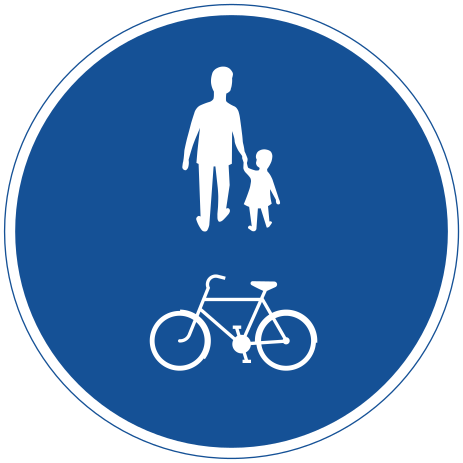
Shared footpath and cycle track
A shared path for pedestrians, cyclists and class II moped riders.
Information signs
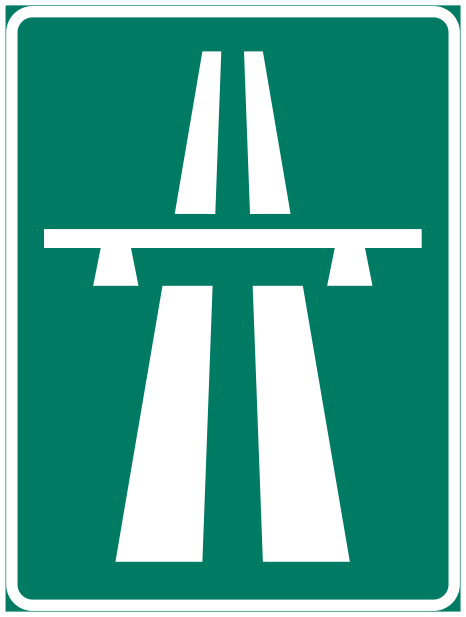
Motorway
Motorway rules apply from here.
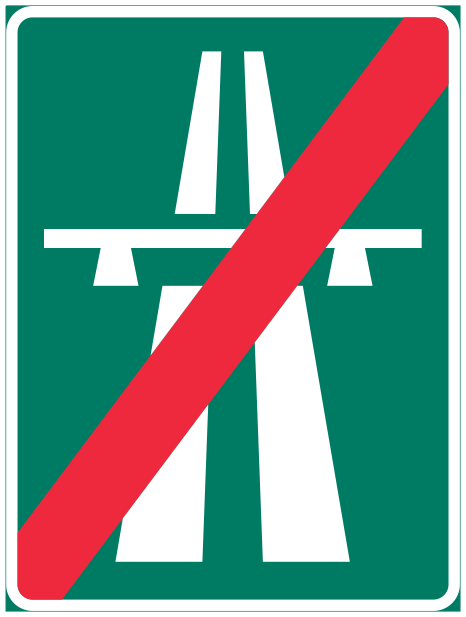
End of motorway
Motorway rules no longer apply.
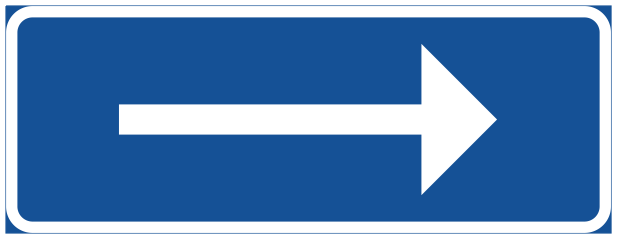
One-way traffic
Traffic may only go in the arrow's direction.
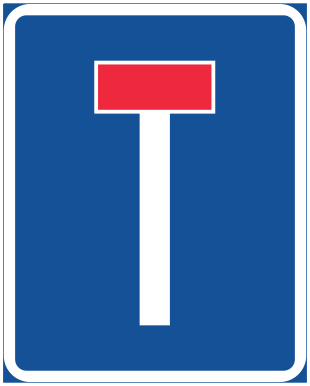
Dead end
The road has no through route.
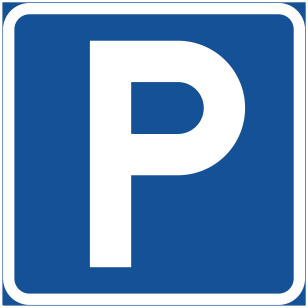
Parking
Parking allowed. Plates below may give times and fees.
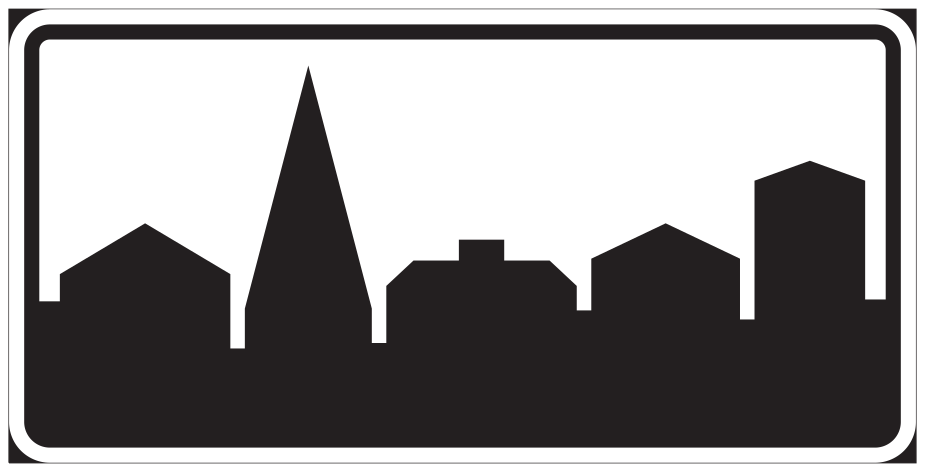
Built-up area
A built-up area starts here. Its rules apply, including 50 km/h unless signed otherwise.
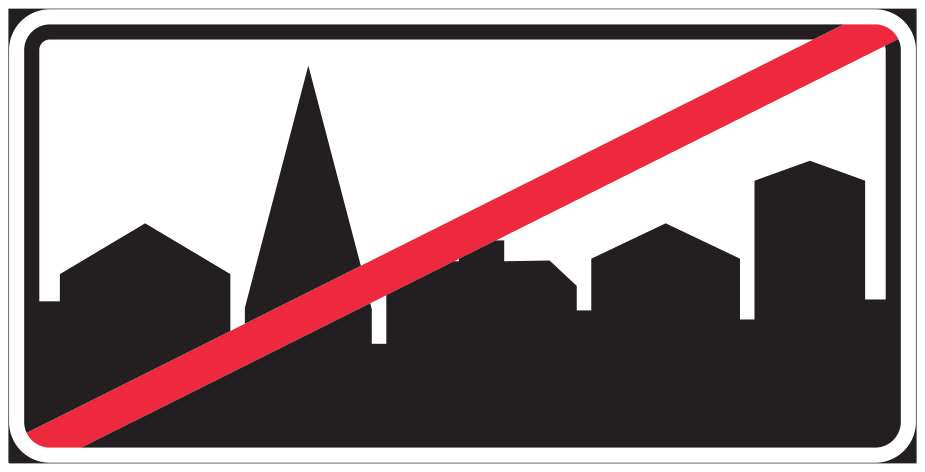
End of built-up area
The built-up area ends here.
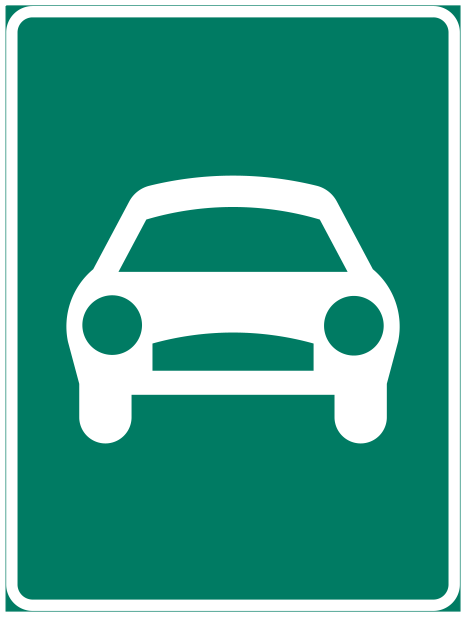
Motor traffic road (expressway)
Expressway rules apply from here: no U-turns or reversing, and no stopping except at a signed parking or rest area.
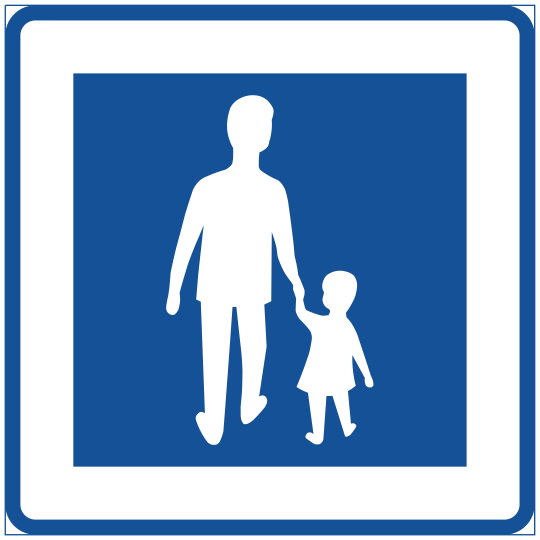
Pedestrian street
Motor vehicles may only enter to cross it or when needed, e.g. for deliveries. All vehicles go at walking pace and give way to pedestrians.
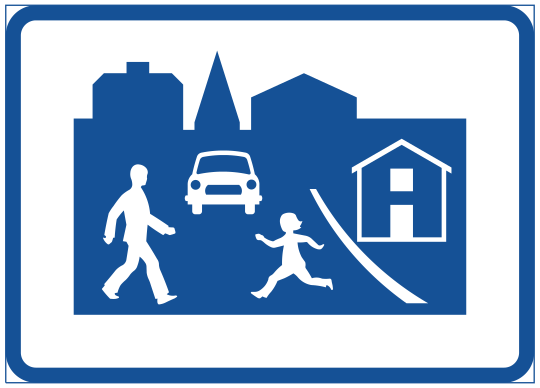
Walking-pace zone
Vehicles at walking pace only, giving way to pedestrians. Parking only where specially marked.
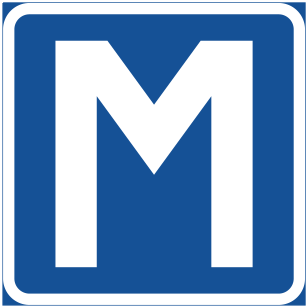
Passing place
A place on a narrow road where vehicles can pass each other. You may not park there.
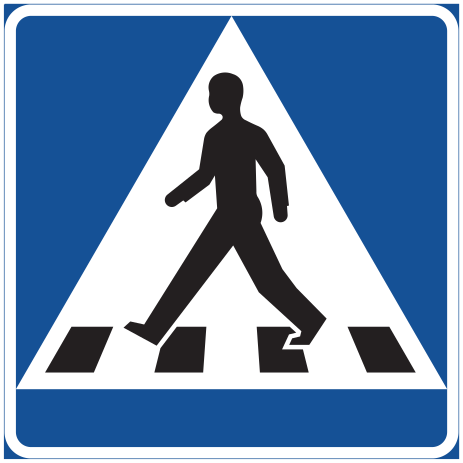
Pedestrian crossing
Pedestrian crossing. Drivers must give way to pedestrians on or stepping onto it.